
July 2026
When it’s hot and sunny, the risk of heat-related illness and sun damage goes up. Certain medications can increase that risk by affecting how well your body tolerates heat. Others can increase photosensitivity — an overreaction by your skin to damaging ultraviolet (UV) rays from the sun or artificial sources, such as tanning booths.
How medications can increase heat risk
When it’s hot out, it’s important to stay hydrated. However, certain medications can reduce the sensation of thirst, increasing the risk of dehydration. In addition, even mild dehydration can impair your body’s ability to clear the medication, increasing your risk of drug toxicity.
Medications can also impair your body’s cooling system by causing:
- Decreased sweating. As sweat evaporates from the skin, it helps cool the body. But some drugs can keep you from sweating, making you more at risk of heat exhaustion.
- Increased sweating. Some drugs can cause your body to sweat too much. This increases your risk of dehydration and electrolyte imbalance, especially when it’s hot.
- Decreased vasodilation. Vasodilation is when your blood vessels widen. When vessels close to your skin widen, they release heat. But some medications can prevent this widening, trapping heat and increasing your risk of heat exhaustion or heat stroke.
Other medications may make you more sensitive to the sun.
Medications that may cause problems in hot weather
According to the Centers for Disease Control and Prevention, these are the main types of medications that can cause problems during hot weather:
- Heart medications, including those prescribed for high blood pressure, such as ACE inhibitors, diuretics (water pills), beta-blockers, angiotensin II receptor blockers, and antiplatelet drugs.
- Antidepressants prescribed to treat depression and anxiety, such as SSRI and SNRI antidepressants, tricyclic antidepressants, lithium, and antipsychotics.
- Antihistamines for seasonal allergies, bug bites, and bee stings.
- Decongestants for the common cold and allergies.
- Pain relievers, including aspirin, acetaminophen, and nonsteroidal anti-inflammatory drugs (ibuprofen or naproxen sodium).
- Antiseizure medications.
- Thyroid medications, such as levothyroxine.
- Certain antifungal agents, such as sulfonamide antibiotics and indinavir antiretrovirals.
For a list of specific drugs, see the “Heat and Medication” section of www.cdc.gov/heat-health.
Medications that may cause problems in the sun
Photosensitivity can cause a sunburn-like rash a few hours to a few days after sun exposure. Both oral and topical medications can trigger photosensitivity.
According to the U.S. Food and Drug Administration (FDA), drugs that increase the risk of photosensitivity include antibiotics, antifungals, antihistamines, cholesterol-lowering drugs, retinoids, and more. For a full list, visit the FDA website.
What you can do
Not everyone using these drugs will experience these side effects. Never stop taking any medication without talking to your doctor or pharmacist first.
During hot or sunny days, stay cool and protect your skin. Avoid going outside during peak sun hours (10 a.m. to 2 p.m.) or seek shade. Remember to drink enough fluids. For healthy adults, that’s typically eight glasses of water daily.
The American Cancer Society recommends wearing a broad-spectrum sunscreen with SPF 30 or higher. Also, wear sunglasses, wide-brimmed hats, and lightweight long pants and long-sleeved shirts to shield your eyes and skin.
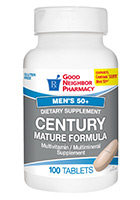
Good Neighbor Pharmacy Century Mature Men 50+ Tablets 100ct
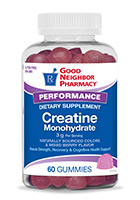
Good Neighbor Pharmacy Creatine Mixed Berry Gummies 60ct
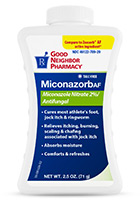
Good Neighbor Pharmacy Miconazrb AF 2% Talc-Free Powder 2.5oz