
August 2026
Starting college is exciting, but lifestyle changes, close living quarters, and academic pressure can affect your physical and mental health.
These tips can help you prepare before move-in day — and stay healthy throughout the semester.
Schedule a physical
The American Academy of Pediatrics (AAP) recommends young adults see their doctor for a comprehensive physical before they leave for college and have annual physicals while they’re in college. Ask whether your doctor offers telehealth, so you can schedule a virtual visit when you’re sick or need a prescription refill.
Make sure your vaccinations are up to date
Living and studying in close quarters means infectious diseases, like measles, can spread more quickly. College students also face a higher risk of meningococcal disease, a bacterial illness that can be fatal if it isn’t caught and treated within a few hours, according to the Centers for Disease Control and Prevention (CDC). Even the flu, which typically lasts a few days to about two weeks, can turn serious.
The AAP recommends teens and young adults ask their doctor about vaccines for pertussis, HPV, meningococcal disease, and the flu. Even if you’ve had these before, you may need another dose.
Review your health insurance
Make sure you have health insurance and know how to use it. Many young adults can stay on their parents’ plan until age 26. Ask your parents for your insurance card and leave a copy with them.
Not all plans cover you if you’re out of state, so confirm where you can go to see a doctor.
Get screened for sexually transmitted infections (STIs)
Half of all new STIs each year occur in young people aged 15 to 24, according to the CDC. Left untreated, chlamydia, gonorrhea, and syphilis can damage male and female reproductive organs, and they don’t always cause noticeable symptoms.
Screening helps catch STIs early, before they impact your fertility (your ability to have children). Antibiotics are often used to treat bacterial STIs. Anyone who is sexually active should also use condoms to prevent the spread of STIs.
Set up mental health support early
College can trigger or worsen mental health issues: 37% of college students reported moderate to severe depression, and 32% reported moderate to severe anxiety, according to the Healthy Minds Study (a survey of over 84,000 students from 135 colleges and universities).
Campus counseling services can help, but appointments may fill up fast. If you already have a therapist, ask whether they can provide visits online or by phone. If not, request a referral for a therapist near your school.
Know where to get care near campus
Before moving in, scout out the on-campus health center. Locate nearby, insurance-compatible urgent care and emergency rooms, plus a local pharmacy. Save addresses and phone numbers in your phone.
Create a “stay-well, get-well” kit
College students should have their own medicine cabinet. Consider stocking:
- Thermometer
- COVID/flu test kits
- Antacids (for upset stomach)
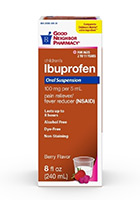
- Acetaminophen and ibuprofen (for fever and minor aches)
- Eye drops (for dry/red eyes)
- First-aid basics (bandages, antiseptic wipes)
- Any prescription medications you take regularly
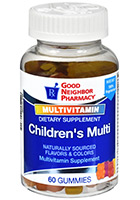
Ask your doctor or pharmacist about adding a multivitamin, especially if your diet changes at school.
The APA’s HealthyChildren.org has more health tips for college freshmen. A little planning now can help you stay healthy all semester.