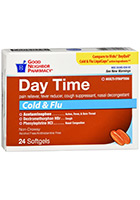

October 2026
More than 200 viruses can cause the common cold, making these upper respiratory infections a normal part of life. Most adults average about three colds a year, according to the National Library of Medicine. Children get even more.
When you’re sick, it may feel like it will never end. Fortunately, colds don’t go on forever.
Here’s how long you can expect the common cold to last, how to feel better, and what (if anything) you can do to get over it sooner.
How long do cold symptoms typically last?
Common cold symptoms include sneezing, a runny or stuffy nose, and a cough or sore throat due to postnasal drip. You may also get a headache, minor body aches, or a fever.
Cold symptoms usually last less than a week, according to the Centers for Disease Control and Prevention (CDC). Sometimes, cold symptoms can last longer, from 10 days to two weeks. Symptoms are often at their worst two to three days after you get infected.
Sometimes, colds can cause middle ear or sinus infections. They can also turn into more serious health issues, like pneumonia, especially in people with asthma, other breathing conditions, or weakened immune systems.
Cold symptom relief: What helps most
Most colds improve with time and go away on their own, but there are steps you can take to help you feel better. Follow this advice from the National Library of Medicine and the CDC.
- Drink enough water or other fluids to stay hydrated.
- Gargle with warm salt water to ease a sore throat.
- Use saline nose drops or spray to loosen mucus and help you breathe easier. For young children, use a nose bulb to suction out mucus.
- Get plenty of rest.
- Use a humidifier or cool-mist vaporizer while you sleep.
Antibiotics don’t help because colds are caused by viruses, not bacteria.
Cough and cold medicines may help ease symptoms in adults. But the American Academy of Pediatrics warns against giving these to children under age four — and only under a doctor’s supervision for children ages four to six.
Not sure which over-the-counter cold medications are right for you? Ask your local pharmacist for advice.
What may help shorten a cold?
According to the National Center for Complementary and Integrative Health (NCCIH), some supplements and products may help shorten the duration of colds.
- Zinc: If started within 24 hours of symptoms, zinc may shorten a cold by up to two days. Taking too much zinc (more than 40 mg per day) can lower your immunity to infections and reduce HDL cholesterol (the good kind). Zinc supplements can also prevent some antibiotics from working effectively. Opt for zinc lozenges, syrups, and supplements; zinc-based nasal sprays, gels, or swabs can cause loss of smell, sometimes permanently.
- Honey: May help ease nighttime coughing in older children. Never give honey to children under the age of one, due to the risk of botulism.
- Vitamin C: Taking it regularly doesn’t prevent colds, but it may slightly shorten their duration. Taking vitamin C once cold symptoms begin doesn’t reduce their duration or severity.
When to call a doctor
Contact your doctor if cold symptoms don’t improve after 10 days, or sooner if you have signs of dehydration, trouble breathing, a fever lasting more than four days, worsening of a chronic condition, or symptoms that get better then return and worsen.
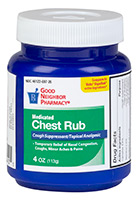
Good Neighbor Pharmacy Medicated Chest Rub Ointment 4oz
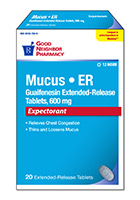
Good Neighbor Pharmacy Mucus ER Guaifensin 600mg Tablets 20ct
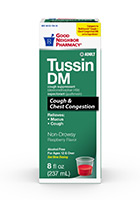
Good Neighbor Pharmacy Tussin DM Cough & Chest Congestion 8oz