August 2026
Teaching your child to wash their hands properly is one of the simplest— and most effective — things you can do to keep them healthy. One
Here’s how to teach your kids to wash their hands the right way, at the right time — and make it a habit they’ll actually stick with.
Teach them how to wash
Show your child these steps, and practice together until they become second nature:
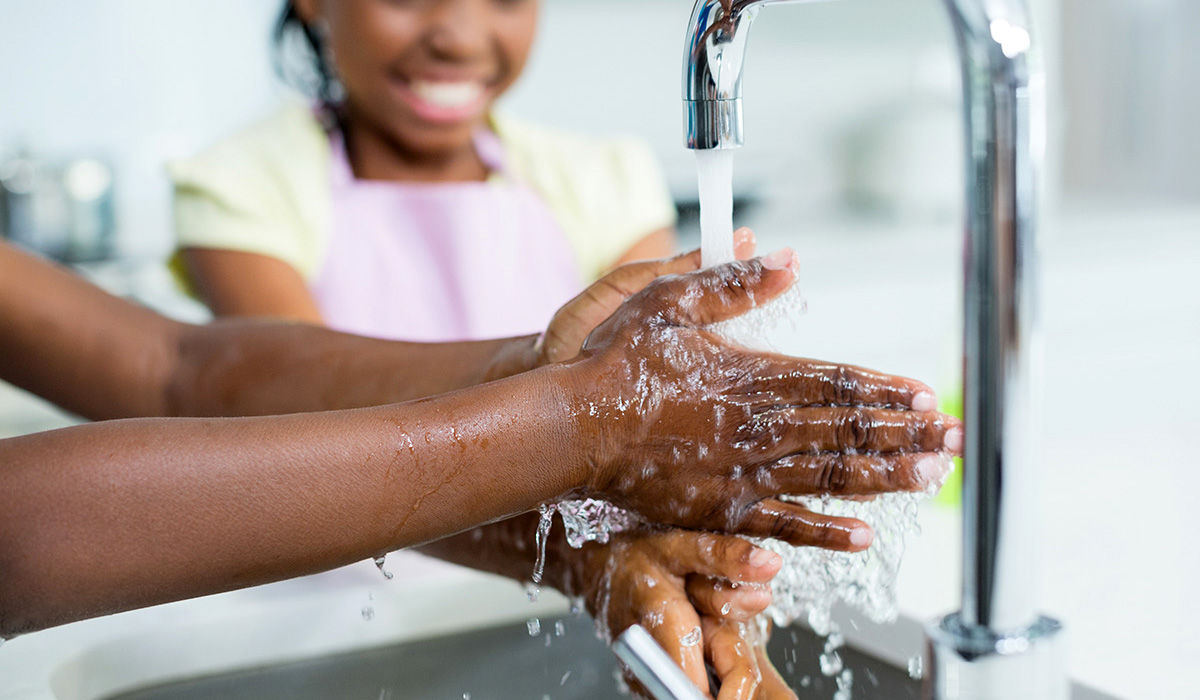
- Wet hands with clean running water, turn off the tap, and apply soap.
- Lather well — backs of hands, between fingers, and under nails.
- Scrub for at least 20 seconds. Let your child pick a favorite song to sing while they scrub — “Happy Birthday” twice, the ABCs, or anything that lasts about 20 seconds.
- Rinse thoroughly under clean running water.
- Dry with a clean towel.
Teach them when to wash
In the Detroit study, kids washed their hands as a class four times a day at scheduled times during the school day. At home, focus on the most important times. These include:
- After using the bathroom
- Before eating
- Before preparing food
- After preparing food
- After touching raw meat, fish, or eggs
- When they get home (especially from school or being out in public places)
- If they cough or sneeze into a hand
- Any time their hands are visibly dirty or feel sticky
Make it fun
A few simple tricks can turn handwashing from a battle into something kids look forward to:
- Use fun soaps. Foaming soaps, colorful soaps, or soaps shaped like animals make handwashing more exciting.
- Make a sticker chart. Give your child a sticker every time they wash their hands properly. This can help build the habit quickly, especially for toddlers and preschoolers.
- Lead by example. Wash your hands with your child. Kids are natural imitators, and seeing you make it routine is one of the most powerful motivators of all.
Regular or antibacterial soap?
The FDA is clear: You do not need to use antibacterial soap. Regular soap and water are just as effective and don’t contribute to antibiotic resistance.
When soap and water aren’t available
An alcohol-based hand sanitizer works as a backup, though it’s less effective on visibly dirty hands. Apply sanitizer to the palm and rub hands together, covering all surfaces of the hand. Keep rubbing until hands are dry. Hand sanitizer can be dangerous if swallowed, so keep it out of reach and supervise young children when they use it.
A warning about wipes
Hand wipes can be helpful for removing visible dirt when you’re away from running water. But kids may not know the difference between hand wipes and household disinfecting wipes (like Lysol or Clorox), which aren’t safe for skin. Keep household disinfecting wipes out of children’s reach.