
March 2026
Asthma is a chronic lung condition that causes your airways to become inflamed and swollen in response to certain triggers, making it hard to breathe. Allergies, on the other hand, are an immune condition in which the immune system overreacts to harmless substances, such as pollen, pet dander, or certain foods. While allergies primarily affect the immune system, they can also trigger asthma symptoms.
Many people with asthma also have allergies, and exposure to allergens is one of the most common triggers for an asthma attack. This is known as “allergic asthma.”
Symptoms of allergic asthma
The symptoms of allergic asthma are the same as the symptoms of other types of asthma.
- Wheezing
- Shortness of breath
- Coughing
- Tightness or pain in the chest
What sets allergic asthma apart is the presence of allergy symptoms during an asthma flare-up. These include:
- Itchy or red eyes
- Congestion or stuffy nose
- Sneezing
If your asthma symptoms worsen when exposed to specific allergens — like pollen, pet dander, or mold — it’s a strong indication that you may have allergic asthma.
How to treat allergic asthma
If you suspect you have allergic asthma, here’s what you need to do:
1. Get your asthma under control. Asthma can be fatal if not controlled. According to the Asthma and Allergy Foundation of America (AAFA), roughly 3,000 people in the U.S. die each year from asthma.
Work with your provider to create an asthma action plan so that you know what to do if you start having asthma symptoms — and when to seek help.
2. Identify your allergens. Allergy testing is essential for determining what triggers your asthma. An allergist can perform tests to confirm specific allergens, such as dust mites, pet dander, mold, or pollen. You may have a sense of what you’re allergic to, but allergy testing will help you confirm it.
3. Manage your allergies effectively.
- Avoid known allergens. For example, if you’re allergic to pollen, visit pollen.com/map to learn when pollen counts are high in your area — and then keep your windows closed, move exercise indoors, and take a shower and wash your clothes after being outside. For pet allergies, consider keeping pets out of bedrooms and using air purifiers to reduce dander.
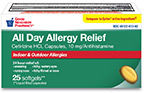
- Explore over-the-counter (OTC) allergy medications. These medications are not going to help you once you’re having asthma symptoms. For those, consult your asthma action plan. But proactively using OTC allergy treatments — such as steroidal nasal sprays, oral antihistamines, and saline nasal rinses — can help manage your allergies and may help reduce the frequency or severity of allergic asthma symptoms.
- Ask about prescription allergy medications. Sometimes OTC medications aren’t enough. Ask your doctor if there are prescription medications that may be more effective.
- Consider allergy immunotherapy. This involves shots (or sometimes sublingual tablets) that expose your body to low doses of the allergens you’re reacting to. Over time, your allergist will slowly increase the dose. Over a few years, your body can build a tolerance to the allergen, though maintenance doses may be required. Allergy immunotherapy works for many people, but it is not effective for everyone. That said, if you’ve exhausted your other options, it’s worth a try.
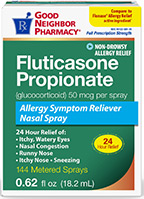
Good Neighbor Pharmacy Fluticasone Propionate Allergy Spray 18.2mL
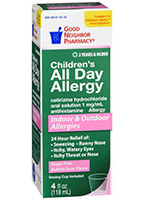
Good Neighbor Pharmacy Children’s All Day Allergy Syrup 4oz
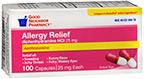
Good Neighbor Pharmacy Allergy Relief Antihistamine Capsules 100ct