
June 2026
Ah, summer — long days, outdoor meals, and pool time! Sunscreen is a must, but summer safety goes beyond avoiding sunburn. From fireworks injuries to heat stroke, dangers lurk — but a few smart habits can help you enjoy the season safely.
Below are four common summer hazards and practical ways to prevent them.
Firework injuries
Fireworks are a 4th of July favorite, but home fireworks can be risky. According to the U.S. Consumer Product Safety Commission (CPSC), 14,700 people were treated in the emergency room for firework-related injuries in 2024, and 11 of those injuries resulted in death.
To stay safe, follow these CPSC recommendations:
- Keep fireworks away from young children. This includes sparklers, which can burn at up to 2,000 degrees Fahrenheit!
- Never use fireworks if you’re impaired by alcohol or drugs.
- Keep a bucket of water or a garden hose nearby.
- Only purchase fireworks that are legal in your area and are labeled for consumer (not professional) use.
- Light fireworks one at a time, then move away quickly.
- Don’t try to pick up or relight fireworks that haven’t fully ignited.
- Read and follow all instructions and warnings on the fireworks packaging.
- Don’t hold fireworks unless the instructions explicitly say it’s safe.
Food poisoning in hot weather
Summer heat creates ideal conditions for harmful bacteria like Salmonella and E. coli to grow — and cookouts often mean food sits out too long.
Keep cold foods cold and hot foods hot. Never leave perishables out for more than an hour in summer heat, and don’t take raw meat out of the fridge or well-iced cooler until you’re ready to grill. Lean into fresh fruits and vegetables. Whole produce carries less risk than mayo-heavy side dishes.
Heat exhaustion and heat stroke
Heat and humidity can overwhelm your body’s cooling system. If sweat can’t evaporate (due to high humidity), your internal temperature can rise quickly.
You may feel dizzy, weak, nauseated, or increasingly hot. This is heat exhaustion. Left untreated, it can advance to heat stroke, a life-threatening emergency where the body’s temperature soars and begins to impact the brain.
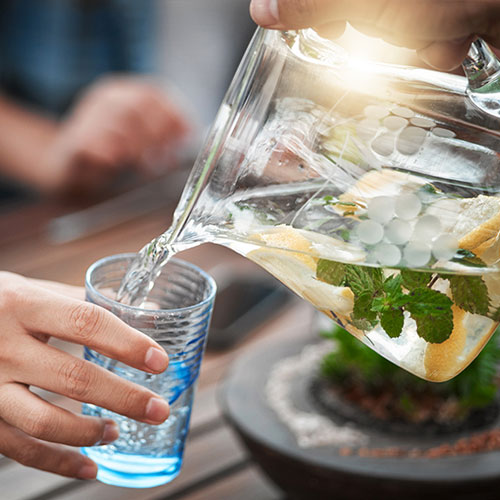
To protect yourself, stay well-hydrated. Drink water before you’re thirsty, not after. Avoid prolonged sun exposure during peak hours (typically 10 a.m. to 4 p.m.). Wear light, loose, light-colored clothing. If you begin to overheat, seek shade or air conditioning, and drink cool fluids.
Heat stroke — marked by confusion, disorientation, hot, dry skin, high body temperature, and eventually loss of consciousness — is a medical emergency. Call 911 immediately.
Water safety
Pools, lakes, rivers, and oceans are a great way to cool off, but drowning is one of the leading causes of accidental death in the U.S.
Children are especially vulnerable, but adults drown too, often because they overestimate their swimming ability, underestimate currents, or are impaired by alcohol. Cold water can cause sudden muscle cramps and rapid fatigue, turning a short swim into a dangerous one.
To reduce the risk, never swim alone or while drinking. Whenever possible, swim where there
is a lifeguard. Have a designated “watcher” for children in the water, and keep young, inexperienced swimmers within arm’s reach. Wear a life jacket on boats and in fast-moving water. And be aware that currents, rapids, and cold water can overwhelm even strong swimmers.
Good Neighbor Pharmacy Weekly Twice-a-Day Pill Organizer
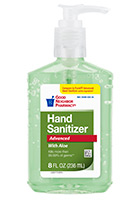
Good Neighbor Pharmacy Advanced Hand Sanitizer with Aloe 8 oz
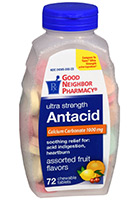
Good Neighbor Pharmacy Antacid Calcium Ultra Strength Tablet 72