
December 2026
If you’ve experienced a fall recently, you may have bumps, bruises or more serious injuries to show for it. Falls are one of the leading causes of both preventable death and non-fatal injuries in the U.S., according to the National Safety Council. Each year falls account for 8.8 million visits to the emergency room. Most traumatic brain injuries are the result of a fall.
As you age, your risk of falling increases. One in four adults age 65 and older falls each year, according to the National Council on Aging (NCOA). In older adults, falls can prove especially serious: They are the main cause of fatal and non-fatal injuries in older Americans, according to the Centers for Disease Control and Prevention.
Falls may seem to happen unexpectedly, but they are often the result of identifiable risk factors or hazards that can be addressed. The NCOA and the National Safety Council (NSC) recommend these tips to prevent you from taking a spill when you’re at home or out and about.
General fall prevention tips
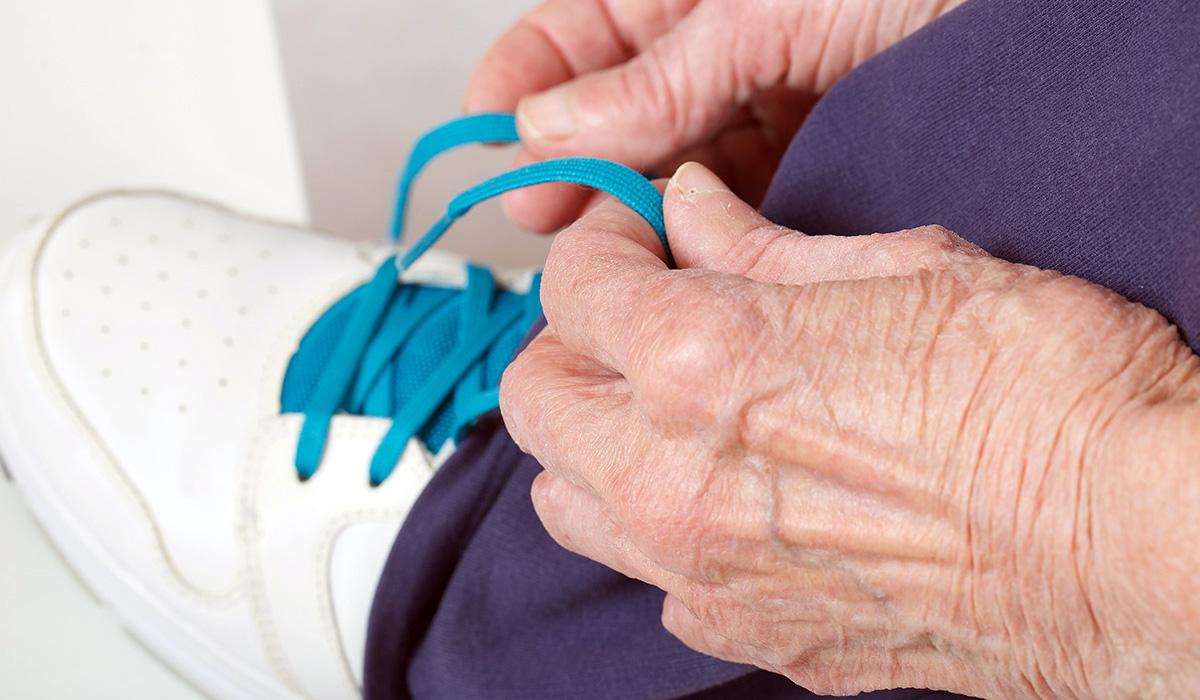
Wearing properly fitted shoes with good support and slip-resistant soles can help reduce yoru risk of falls. Add slip-resistant grips to shoe soles that have a smooth bottom. You can find these online, at most shoe stores, and at some local pharmacies.
If you feel unsteady while walking, talk with your healthcare provider about whether a cane, walker, or other mobility aid may be appropriate. Enroll in an exercise program that builds leg strength, flexibility, and balance. Ask your doctor what program would work best for you. They may recommend a physical therapist to get you started on the right exercises.
At-home fall prevention
Though falls can happen anywhere at any time, most happen at home. These tips can help you fall-proof your home.
- Rearrange or remove furniture to create clear walking paths.
- Install handrails on all staircases on both sides.
- Install grab bars inside and outside of the bathtub and shower, and near the toilet to help you move safely in these areas.
- Remove small throw rugs or use non-skid mats to keep them from slipping.
- Keep electrical and phone cords out of traffic areas.
- Clean up all spills immediately.
- Stay off of freshly mopped floors.
- Keep drawers and cabinet doors closed at all times.
- Keep items you use often in easy reach.
- Make sure indoor and outdoor areas are well lit.
- Keep sidewalks, driveways, and exterior walkways free of debris.
- Never stand on chairs, countertops, or rolling step stools to reach items. Use a sturdy step stool with handrails when needed.
Talk to your doctor or pharmacist
During your annual exam, talk to your doctor about fall prevention. They can review your medical history to see if there’s something that increases your risk of falling.
The NCOA and the NSC list these as common health issues that may cause falls:
- Chronic conditions that cause pain and balance issues when walking, such as arthritis, diabetes, and neuropathy, or nerve pain.
- Hearing loss. Research suggests hearing impairment can significantly increase fall risk. Properly fitted hearing aids may help reduce that risk.
- Vision loss. This makes you twice as likely to fall.
- Muscle weakness in your legs and lower body.
- Vitamin D deficiency. Low vitamin D levels can contribute to muscle weakness and balance problems. A blood test can help determine whether a supplement is appropriate.
A podiatrist, or foot doctor, can also check your foot health and gait — how you walk — to see if they can help correct any issues that put you at risk of falling. They may prescribe orthotic shoes or inserts to help correct your gait and balance.
Certain medications and medication combinations can increase your risk of falling. These include sedatives, muscle relaxants, and opioid painkillers. Antidepressants can also cause side effects, such as drowsiness, impaired attention, and low blood pressure that can contribute to falls.
Your pharmacist can review both your prescription and over-the-counter medications to see if their side effects or drug intereactions may increase your fall risk. Worrisome symptoms can include dizziness, drowsiness, fatigue, lightheadedness, and low blood pressure.
Check your fall risk
Anyone can fall, but you may not realize you’re at risk. NCOA’s Falls Free Checkup can help you figure out your risk. You can take the online assessment here.