
May 2026
Your sinuses are hollow, air-filled spaces located behind your forehead and cheekbones, between your eyes, and deep behind your nose. Sinus infections, also known as sinusitis, occur when fluid builds up in the sinuses and allows germs, such as viruses and bacteria, to grow.
What causes sinus infections?
The immediate cause of a sinus infection is the growth of viruses or bacteria in fluid that has built up in the sinuses. But what leads to this fluid buildup?
According to the Centers for Disease Control and Prevention (CDC), common risk factors include:
- A recent cold or other upper respiratory infection, like the flu or COVID-19.
- Seasonal allergies.
- Smoking or exposure to secondhand smoke.
- Structural problems within the sinuses, such asnasal polyps (growths on the lining of the sinuses).
What are the symptoms of a sinus infection?
According to the CDC, these are the common symptoms of a sinus infection:
- Runny or stuffy nose
- Facial pain or pressure
- Headache
- Post-nasal drip (mucus dripping down into the throat)
- Sore throat
- Cough
- Bad breath
How to treat a sinus infection at home
Most sinus infections improve on their own. To relieve symptoms, try:
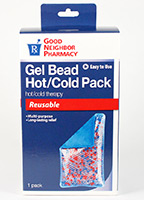
- Using moisture and heat: Place a warm, wet towel over the nose, cheeks, and forehead, or breathe in steam from a bowl of hot water or a shower.
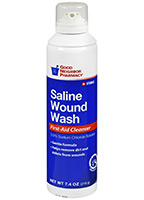
- Saline solutions: Use a saline nasal spray or neti pot to loosen and thin the fluid in your sinuses.
- Humidifier: Keep your home’s humidity between 40% and 60%. The Environmental Protection Agency (EPA) recommends cleaning your humidifier every one to three days and using distilled water, especially if you have an ultrasonic or “cool mist” humidifier.
- Over-the-counter (OTC) medications: Ask your healthcare provider or local pharmacist about OTC decongestants, pain relievers, and antihistamines to ease symptoms.
When should you see a doctor?
According to the CDC, you should see a doctor if you experience:
- Severe headache or facial pain.
- Symptoms that get worse after improving.
- Symptoms that last for more than 10 days without improving.
- Fever that lasts more than three to four days.
- Multiple sinus infections within one year.
How to prevent a sinus infection
The best way to prevent a sinus infection is to avoid the things that lead to a sinus infection. The best way to do this is to:
- Get vaccinated: Vaccines can protect you from some upper respiratory infections, such as the flu, COVID-19, and RSV.
- Cold and flu prevention: Follow general cold and flu prevention strategies, such as washing your hands regularly, disinfecting high-touch surfaces, avoiding sick people, and taking steps to boost your immune system.
- Treat environmental allergies: Common allergens include pollen, dust, mold, and pet dander. This includes minimizing exposure to the allergen and taking OTC allergy meds. If medication and lifestyle changes aren’t enough, try allergy shots.
- Quit smoking: Smoking irritates the sinuses and increases your risk of infection. Avoid secondhand smoke.
- Use a humidifier: Maintain indoor humidity between 40% and 60% to prevent dryness and mold growth.
- Consult an ear, nose, and throat doctor (ENT): If you have recurring or chronic sinus infections, an ENT can check for structural problems with your sinuses (like nasal polyps) that make you prone to infections. Many problems can be corrected with surgery.