March 2026
A variety of airborne triggers, such as pollen and pet dander, can cause asthma and allergies. Particulates and smog in the air can also trigger asthma.
While you can’t always avoid triggers, there’s a lot you can do to minimize exposure, especially when you’re inside. Here are four ways to improve indoor air quality and reduce allergy and asthma symptoms.
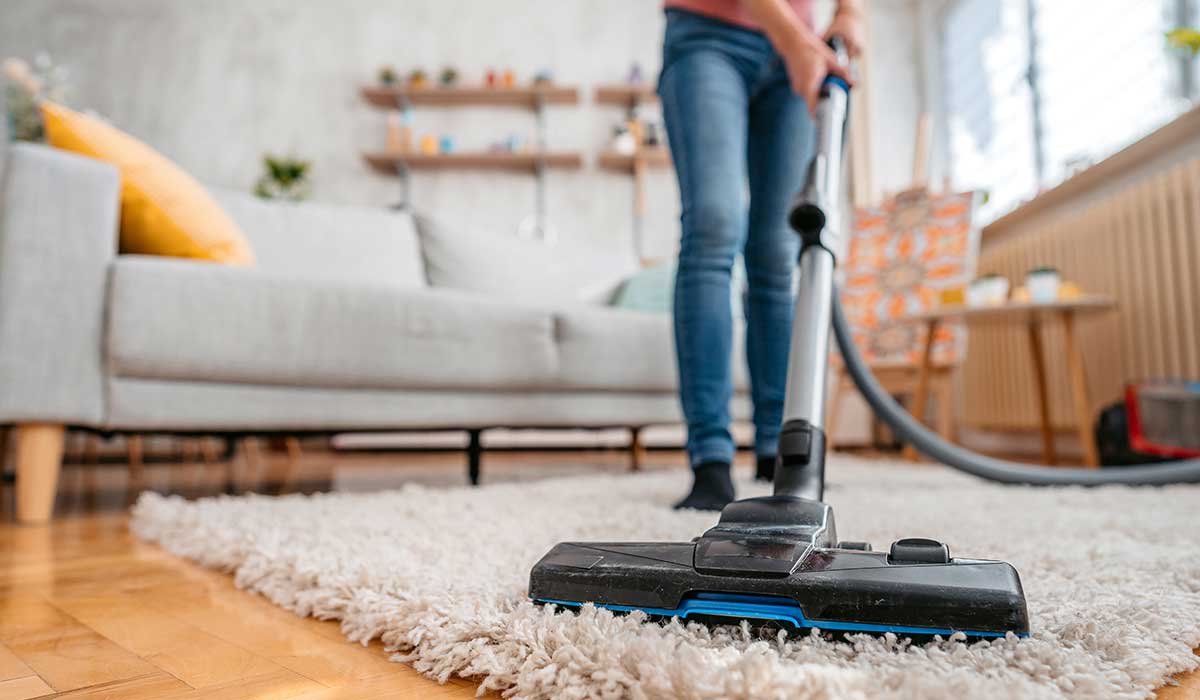
Vacuum regularly
This prevents allergens on the floor — whether it’s dust mites, pollen, or pet dander — from getting kicked back up into the air. Use a vacuum with a HEPA-filter so that the allergens don’t get blown out the back of the vacuum and back into the air.
Remove carpeting if you can
Carpeting traps dust, dust mites, pollen, and pet dander — all potential allergens. Hard surfaces, such as wood or laminate, are much easier to clean of allergens.
Turn on the vent over your stove every time you cook
Cooking releases smoke into the air. Gas stoves also emit nitrogen dioxide and PM 2.5. Smoke, particulates, and nitrogen dioxide are all potential asthma triggers. Running the vent while you cook, ideally with a nearby window cracked open, can help remove these allergens from the air.
Open (and close) your windows
Fresh air lowers indoor carbon dioxide levels, helping you feel more awake. It also helps dilute indoor air pollutants. However, if someone in your household has seasonal allergies in the spring or fall, try keeping the windows shut during peak pollen season — especially during the times of day when pollen levels are highest in your area.
Not sure about the pollen count in your area? Put your zip code into this pollen tracker to find out how high the pollen count is today — and which types of pollen are most prevalent. You only need to close the windows if it’s a type of pollen to which you are allergic.
It’s not just pollen that can trigger allergies and asthma. Air pollution —from car and factory emissions, smog, wood-burning stoves, and forest fires — can also set off symptoms in some people. If you live in an area prone to outdoor air pollution, check the air quality at airnow.gov first.