January 2026
GLP-1 agonists (like semaglutide) can be a great tool to help you lose weight. But because they change how much you eat and how long food remains in your stomach, it’s important that you adapt your diet accordingly.
Avoid spicy and high-fat foods
GLP-1s cause food to remain in your stomach for longer. To prevent potential GI symptoms (like heartburn and an upset stomach), avoid spicy foods (like hot peppers and hot sauce) and high-fat foods (like fried foods, pizza, and whole-fat dairy products).
Focus on protein
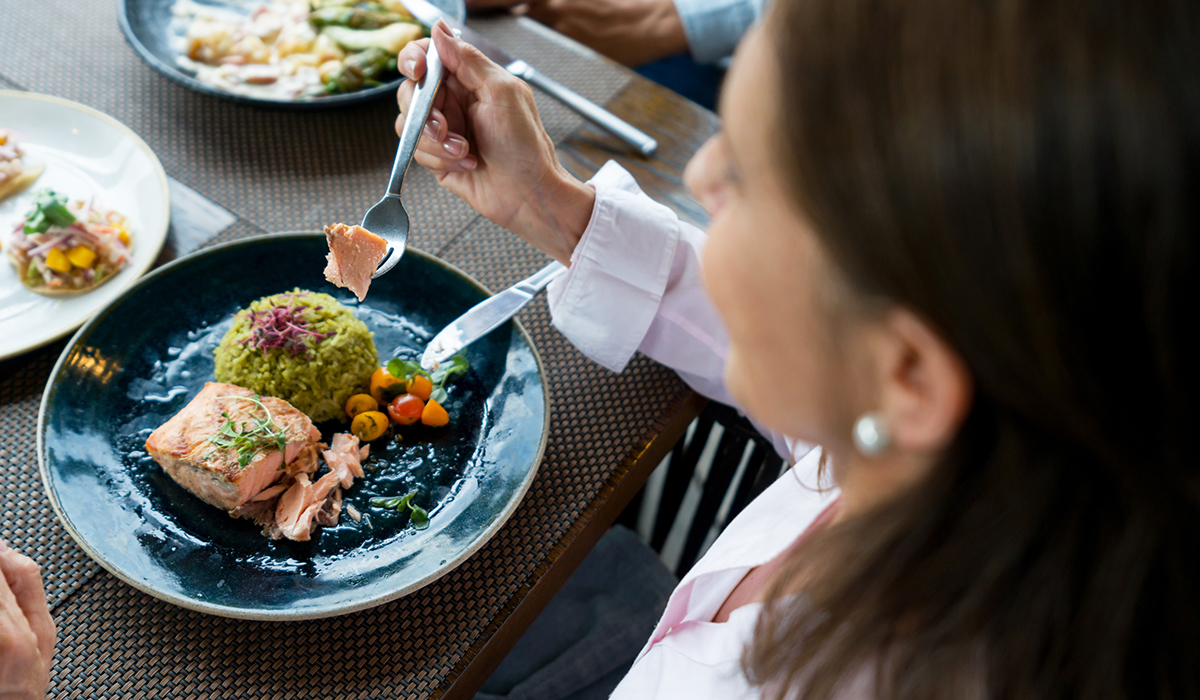
When you lose weight, you want to make sure you’re losing fat, not muscle mass. To best preserve muscle mass, a paper published in JAMA Internal Medicine recommends that you eat at least 0.5 grams to 0.7 grams per pound of body weight — every day. For example, if you weigh 150 pounds, that’s 75 to 105 grams of protein per day. Protein will also help you lose weight because it helps you feel fuller longer.
Prioritize fiber
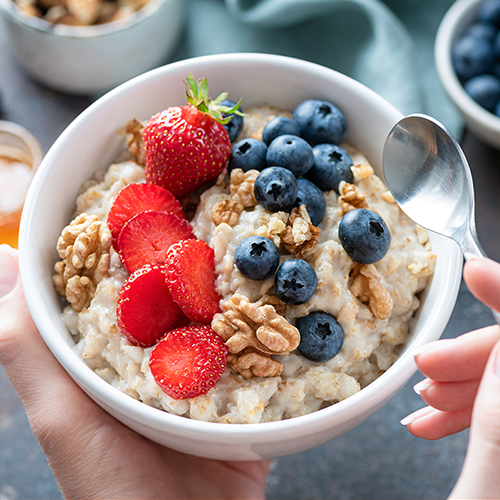
GLP-1s help you lose weight by suppressing your appetite. But you want to make sure to include fiber, not only to help with satiety but also to combat constipation, a common side effect of the medication. (Enough means 25 grams daily for women and 38 grams daily for men — slightly less for those over 50.) Good sources of fiber include fruits, vegetables, whole grains (like oats, brown rice, and quinoa), and beans.